"/><stop offset="1" stop-color="rgba(255, 255, 255, 0)"/></linearGradient></defs><g d="M 56.131 22.074 C 55.588 22.074 55.179 21.979 54.893 21.78 C 54.616 21.571 54.454 21.315 54.416 20.964 C 54.397 20.594 54.502 20.205 54.75 19.741 C 54.988 19.285 55.283 18.878 55.645 18.479 C 56.008 18.09 56.417 17.758 56.865 17.464 C 57.313 17.17 57.77 16.952 58.285 16.782 C 58.761 16.639 59.266 16.554 59.762 16.554 C 60.276 16.554 60.677 16.639 60.953 16.791 C 61.248 16.933 61.429 17.17 61.486 17.474 L 60.219 18.176 C 60.172 17.967 60.048 17.815 59.867 17.74 C 59.705 17.626 59.466 17.588 59.152 17.597 C 58.847 17.597 58.542 17.626 58.228 17.758 C 57.923 17.863 57.637 18.005 57.351 18.185 C 57.065 18.375 56.818 18.602 56.598 18.849 C 56.375 19.099 56.18 19.372 56.017 19.665 C 55.884 19.94 55.817 20.187 55.826 20.376 C 55.836 20.575 55.922 20.727 56.093 20.85 C 56.255 20.964 56.522 21.012 56.846 21.002 C 57.103 21.002 57.37 20.964 57.637 20.888 C 57.923 20.793 58.209 20.661 58.533 20.471 L 58.504 21.419 C 58.123 21.628 57.713 21.799 57.313 21.894 C 56.913 22.007 56.503 22.074 56.131 22.074 Z M 57.522 21.239 L 58.99 19.219 L 60.095 19.219 L 58.504 21.419 Z M 44.464 21.979 L 48.304 16.639 L 49.324 16.639 L 49.581 20.49 L 49.19 20.471 L 51.944 16.649 L 53.183 16.639 L 49.305 21.979 L 48.304 21.979 L 48.037 18.109 L 48.447 18.128 L 45.674 21.979 Z M 38.707 21.97 L 42.528 16.649 L 43.767 16.649 L 39.936 21.97 Z M 32.245 22.064 C 31.702 22.064 31.283 21.97 31.006 21.78 C 30.702 21.571 30.54 21.306 30.501 20.964 C 30.482 20.594 30.587 20.205 30.816 19.75 C 31.054 19.285 31.34 18.878 31.702 18.479 C 32.055 18.081 32.455 17.749 32.893 17.455 C 33.341 17.17 33.798 16.943 34.284 16.791 C 34.757 16.633 35.253 16.553 35.752 16.554 C 36.228 16.554 36.619 16.63 36.895 16.782 C 37.171 16.943 37.324 17.189 37.352 17.493 L 36.095 18.214 C 36.057 18.014 35.971 17.853 35.818 17.749 C 35.666 17.625 35.428 17.588 35.132 17.588 C 34.837 17.597 34.532 17.626 34.246 17.749 C 33.941 17.863 33.665 17.995 33.379 18.195 C 33.112 18.384 32.874 18.612 32.655 18.849 C 32.426 19.124 32.226 19.39 32.102 19.665 C 31.959 19.94 31.893 20.187 31.902 20.386 C 31.921 20.566 32.017 20.737 32.179 20.841 C 32.331 20.964 32.579 21.012 32.893 21.012 C 33.169 21.012 33.427 20.964 33.732 20.869 C 34.045 20.754 34.34 20.594 34.608 20.395 L 34.951 21.135 C 34.513 21.457 34.056 21.694 33.608 21.846 C 33.15 21.989 32.684 22.064 32.245 22.064 Z M 20.727 21.979 L 24.481 16.649 L 25.5 16.639 L 25.824 20.49 L 25.434 20.471 L 28.14 16.639 L 29.359 16.639 L 25.586 21.97 L 24.576 21.979 L 24.252 18.1 L 24.643 18.128 L 21.937 21.979 Z M 16.162 18.849 L 18.707 18.849 L 18.03 19.816 L 15.486 19.826 Z M 14.705 21.049 L 17.601 21.049 L 16.896 22.045 L 12.799 22.045 L 16.525 16.715 L 20.546 16.715 L 19.831 17.692 L 17.049 17.701 Z M 8.086 19.039 L 10.649 19.039 L 9.963 20.035 L 7.419 20.016 L 8.086 19.039 Z M 6.171 21.979 L 4.942 21.979 L 8.629 16.639 L 12.631 16.649 L 11.945 17.626 L 9.163 17.626 L 6.171 21.979 Z M 35.962 30.374 C 32.02 37.171 24.734 41.358 16.849 41.358 L 7.687 41.358 C 1.928 41.358 -1.78 35.281 0.875 30.194 L 4.172 23.878 L 15.067 23.878 L 13.202 27.282 C 12.156 29.191 13.544 31.519 15.729 31.519 L 20.436 31.519 C 22.836 31.519 25.053 30.245 26.253 28.176 L 28.746 23.878 L 39.73 23.878 Z M 76.13 41.358 L 61.737 41.358 L 49.262 23.878 L 61.737 23.878 Z M 20.301 14.327 L 9.158 14.327 L 16.637 0 L 28.152 0 Z M 45.27 14.327 L 34.286 14.327 L 42.596 0 L 53.58 0 Z M 62.201 14.327 L 49.727 14.327 L 63.656 0 L 76.13 0 Z M 0 43.269 L 77.724 43.269 L 77.724 49 L 0 49 Z" fill="transparent" height="48.99999880901669px" id="QRqLJ9bPe" width="77.72413793103448px"><path d="M 56.131 22.074 C 55.588 22.074 55.179 21.979 54.893 21.78 C 54.616 21.571 54.454 21.315 54.416 20.964 C 54.397 20.594 54.502 20.205 54.75 19.741 C 54.988 19.285 55.283 18.878 55.645 18.479 C 56.008 18.09 56.417 17.758 56.865 17.464 C 57.313 17.17 57.77 16.952 58.285 16.782 C 58.761 16.639 59.266 16.554 59.762 16.554 C 60.276 16.554 60.677 16.639 60.953 16.791 C 61.248 16.933 61.429 17.17 61.486 17.474 L 60.219 18.176 C 60.172 17.967 60.048 17.815 59.867 17.74 C 59.705 17.626 59.466 17.588 59.152 17.597 C 58.847 17.597 58.542 17.626 58.228 17.758 C 57.923 17.863 57.637 18.005 57.351 18.185 C 57.065 18.375 56.818 18.602 56.598 18.849 C 56.375 19.099 56.18 19.372 56.017 19.665 C 55.884 19.94 55.817 20.187 55.826 20.376 C 55.836 20.575 55.922 20.727 56.093 20.85 C 56.255 20.964 56.522 21.012 56.846 21.002 C 57.103 21.002 57.37 20.964 57.637 20.888 C 57.923 20.793 58.209 20.661 58.533 20.471 L 58.504 21.419 C 58.123 21.628 57.713 21.799 57.313 21.894 C 56.913 22.007 56.503 22.074 56.131 22.074 Z M 57.522 21.239 L 58.99 19.219 L 60.095 19.219 L 58.504 21.419 Z M 44.464 21.979 L 48.304 16.639 L 49.324 16.639 L 49.581 20.49 L 49.19 20.471 L 51.944 16.649 L 53.183 16.639 L 49.305 21.979 L 48.304 21.979 L 48.037 18.109 L 48.447 18.128 L 45.674 21.979 Z M 38.707 21.97 L 42.528 16.649 L 43.767 16.649 L 39.936 21.97 Z M 32.245 22.064 C 31.702 22.064 31.283 21.97 31.006 21.78 C 30.702 21.571 30.54 21.306 30.501 20.964 C 30.482 20.594 30.587 20.205 30.816 19.75 C 31.054 19.285 31.34 18.878 31.702 18.479 C 32.055 18.081 32.455 17.749 32.893 17.455 C 33.341 17.17 33.798 16.943 34.284 16.791 C 34.757 16.633 35.253 16.553 35.752 16.554 C 36.228 16.554 36.619 16.63 36.895 16.782 C 37.171 16.943 37.324 17.189 37.352 17.493 L 36.095 18.214 C 36.057 18.014 35.971 17.853 35.818 17.749 C 35.666 17.625 35.428 17.588 35.132 17.588 C 34.837 17.597 34.532 17.626 34.246 17.749 C 33.941 17.863 33.665 17.995 33.379 18.195 C 33.112 18.384 32.874 18.612 32.655 18.849 C 32.426 19.124 32.226 19.39 32.102 19.665 C 31.959 19.94 31.893 20.187 31.902 20.386 C 31.921 20.566 32.017 20.737 32.179 20.841 C 32.331 20.964 32.579 21.012 32.893 21.012 C 33.169 21.012 33.427 20.964 33.732 20.869 C 34.045 20.754 34.34 20.594 34.608 20.395 L 34.951 21.135 C 34.513 21.457 34.056 21.694 33.608 21.846 C 33.15 21.989 32.684 22.064 32.245 22.064 Z M 20.727 21.979 L 24.481 16.649 L 25.5 16.639 L 25.824 20.49 L 25.434 20.471 L 28.14 16.639 L 29.359 16.639 L 25.586 21.97 L 24.576 21.979 L 24.252 18.1 L 24.643 18.128 L 21.937 21.979 Z M 16.162 18.849 L 18.707 18.849 L 18.03 19.816 L 15.486 19.826 Z M 14.705 21.049 L 17.601 21.049 L 16.896 22.045 L 12.799 22.045 L 16.525 16.715 L 20.546 16.715 L 19.831 17.692 L 17.049 17.701 Z M 8.086 19.039 L 10.649 19.039 L 9.963 20.035 L 7.419 20.016 L 8.086 19.039 Z M 6.171 21.979 L 4.942 21.979 L 8.629 16.639 L 12.631 16.649 L 11.945 17.626 L 9.163 17.626 L 6.171 21.979 Z M 35.962 30.374 C 32.02 37.171 24.734 41.358 16.849 41.358 L 7.687 41.358 C 1.928 41.358 -1.78 35.281 0.875 30.194 L 4.172 23.878 L 15.067 23.878 L 13.202 27.282 C 12.156 29.191 13.544 31.519 15.729 31.519 L 20.436 31.519 C 22.836 31.519 25.053 30.245 26.253 28.176 L 28.746 23.878 L 39.73 23.878 Z M 76.13 41.358 L 61.737 41.358 L 49.262 23.878 L 61.737 23.878 Z M 20.301 14.327 L 9.158 14.327 L 16.637 0 L 28.152 0 Z M 45.27 14.327 L 34.286 14.327 L 42.596 0 L 53.58 0 Z M 62.201 14.327 L 49.727 14.327 L 63.656 0 L 76.13 0 Z M 0 43.269 L 77.724 43.269 L 77.724 49 L 0 49 Z" fill="url(%23UpYTjRT5I-3932498346-linear-gradient)" height="48.99999880901669px" id="UpYTjRT5I" width="77.72413793103448px"/></g></svg>)
4 min
11 Nov 2026
Domestic Fencing
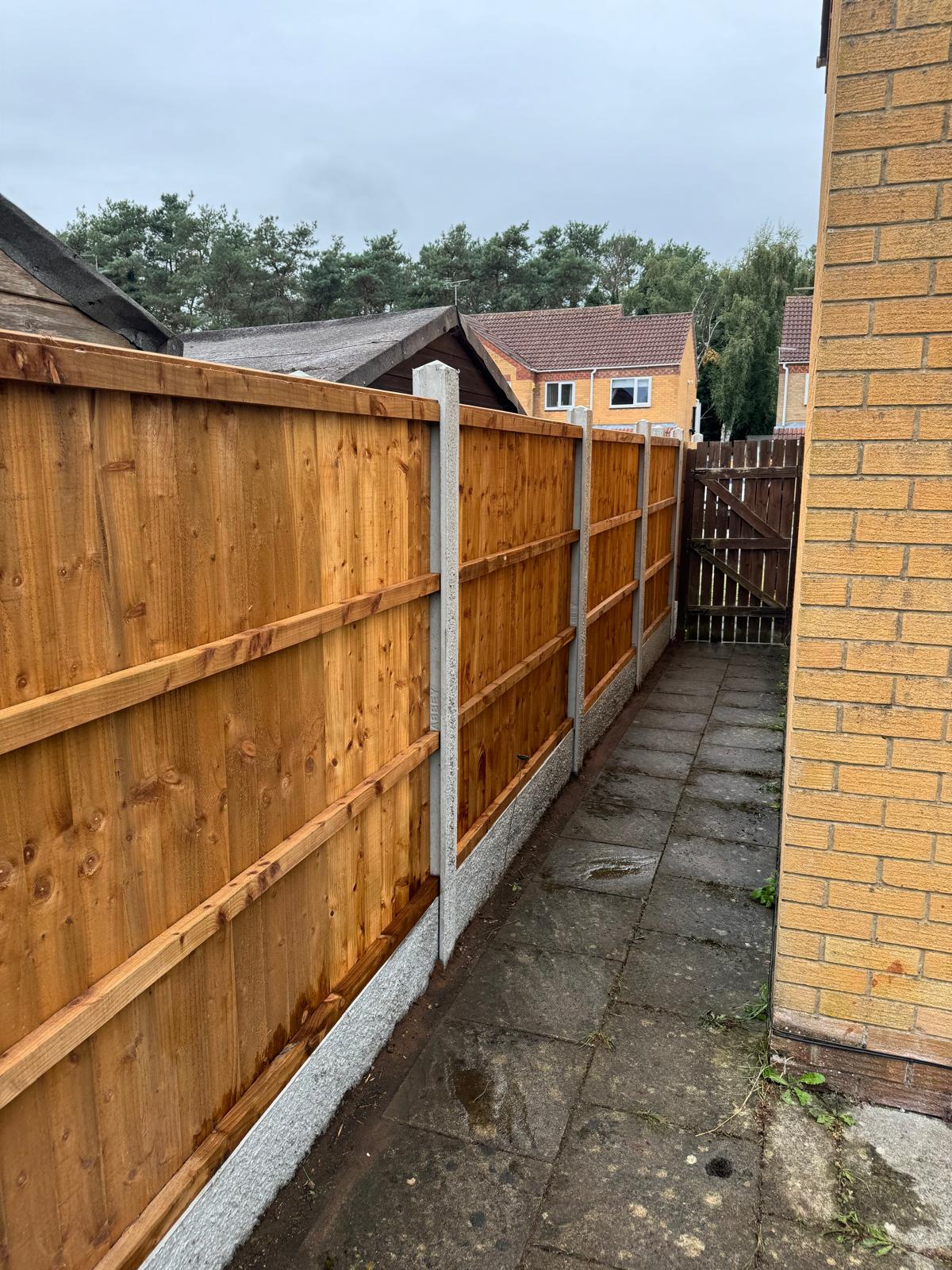
Table of Contents
No anchors found on page.
There is no automatic rule that you own the fence on the left or right of your garden. The side showing the posts is not proof either. Start with the property documents, then discuss the proposed work with your neighbour before removing or replacing a boundary fence.
This guide is for homeowners in Essex and London, including Havering. It explains a sensible starting point, not a legal decision about a particular property. Updated 11 November 2026.
Fence ownership, maintenance and the boundary are different questions
Owning a fence is not necessarily the same as having an obligation to maintain it. A deed may contain a maintenance covenant without conclusively establishing ownership. The visible fence may also sit beside, rather than exactly on, the legal boundary. These distinctions matter when you are deciding who should arrange repairs.
HM Land Registry explains that title plans normally show general boundaries. Do not use the thickness of a red line on a downloaded plan to decide where new posts should go. Read its boundary guidance before treating a plan as a precise measurement.
What should you check before booking fence work?
1. Gather the title register, title plan and documents received when you bought the property. Look for any transfers or deeds referred to in the register. If you rent or lease the property, involve the landlord or managing agent before authorising changes.
2. Read the wording alongside any T or H marks. Marks can relate to maintenance responsibilities, but their meaning depends on the document. A symbol alone should not be treated as a complete answer.
3. Ask your neighbour what documents or previous agreements they hold. Keep the conversation practical: which section is damaged, what needs replacing and whether anyone needs access through the other garden.
4. If responsibility or the boundary remains disputed, pause the replacement and get advice from a solicitor or appropriately qualified surveyor. A fencing installer can assess the structure and installation options, but cannot determine a disputed legal boundary.
Agree the work, not just the panel colour
Before asking for a quotation, make a short shared brief. Record the section being worked on, proposed height and materials, access arrangements, disposal of the old fence and any agreed contribution to costs. Separate optional upgrades from necessary repairs so everyone understands what they are agreeing to.
A simple photograph with the proposed work marked on it can help the discussion, but is not proof of ownership. If you want to record the boundary itself, follow the government guidance on boundary agreements and take professional advice where needed. Do not confuse a quote acceptance with a legal boundary agreement.
Common questions about garden fence responsibility
Does the good side of the fence have to face my neighbour?
The direction of the boards is not an ownership test. Before installation, agree the appearance on both sides and check any relevant property restrictions. Ask to see the proposed panel from the neighbour-facing side as well as your own.
Can I replace a shared fence without discussing it?
Do not assume that paying for new panels gives you permission to remove an existing fence. Establish responsibility and agreement first. If ownership is uncertain, the government property-boundary overview explains why the registered information may not provide a definitive answer.
Does agreeing ownership mean any height is allowed?
No. Planning and property restrictions are separate checks. See our fence-height guide, then confirm any site-specific restrictions with the relevant local planning authority before ordering.
Ready to repair or replace the fence?
Once the responsibility and proposed position are clear, UK Fencing can help you compare practical options. Explore our household fencing services and featheredge panel fencing.
Request a free quote with your postcode, photographs taken from a safe position and a short description of the work. Tell us whether access or neighbour agreement still needs to be arranged.
General information for England; not legal advice. Property documents and individual circumstances can change the position.
To breadcrumbs: Home → Blog → Category → Post
Have a question or need a quote? Get in touch with UK Fencing Ltd today.

" height="48.99999880901669px" id="FgxQ5YHsn" width="77.72413793103448px"/><path d="M 0.706 1.226 L 1.946 1.226 L 1.946 1.811 L 0.706 1.811 L 0.706 1.226 Z M 0.76 2.728 L 0 2.728 L 0 0.053 L 2.107 0.053 L 2.107 0.638 L 0.76 0.638 Z M 4.792 1.089 L 6.04 1.089 L 6.04 1.654 L 4.792 1.654 L 4.792 1.089 Z M 4.846 2.143 L 6.251 2.143 L 6.251 2.728 L 4.094 2.728 L 4.094 0.053 L 6.201 0.053 L 6.201 0.638 L 4.846 0.638 Z M 8.304 2.728 L 8.304 0.053 L 8.93 0.053 L 10.411 1.834 L 10.115 1.834 L 10.115 0.053 L 10.86 0.053 L 10.86 2.728 L 10.234 2.728 L 8.753 0.947 L 9.049 0.947 L 9.049 2.728 Z M 14.367 2.781 C 14.155 2.781 13.958 2.748 13.776 2.682 C 13.602 2.617 13.443 2.518 13.308 2.392 C 13.177 2.267 13.073 2.117 13.001 1.952 C 12.926 1.782 12.889 1.594 12.889 1.391 C 12.889 1.187 12.926 1.001 13.001 0.833 C 13.072 0.666 13.176 0.515 13.308 0.39 C 13.443 0.264 13.602 0.166 13.776 0.103 C 13.958 0.034 14.155 0 14.367 0 C 14.615 0 14.836 0.043 15.031 0.13 C 15.223 0.213 15.392 0.341 15.522 0.504 L 15.039 0.94 C 14.952 0.838 14.856 0.76 14.751 0.707 C 14.648 0.653 14.533 0.627 14.405 0.627 C 14.302 0.625 14.199 0.644 14.102 0.68 C 14.01 0.716 13.931 0.768 13.864 0.837 C 13.798 0.906 13.746 0.988 13.711 1.077 C 13.674 1.178 13.656 1.284 13.657 1.391 C 13.657 1.505 13.675 1.61 13.711 1.704 C 13.749 1.798 13.8 1.88 13.864 1.948 C 13.931 2.015 14.01 2.066 14.102 2.101 C 14.199 2.138 14.302 2.156 14.405 2.155 C 14.533 2.155 14.648 2.128 14.751 2.075 C 14.856 2.021 14.952 1.943 15.039 1.841 L 15.522 2.277 C 15.39 2.439 15.222 2.567 15.031 2.651 C 14.836 2.738 14.615 2.781 14.367 2.781 Z M 17.492 2.728 L 17.492 0.053 L 18.252 0.053 L 18.252 2.728 Z M 20.424 2.728 L 20.424 0.053 L 21.05 0.053 L 22.531 1.834 L 22.236 1.834 L 22.236 0.053 L 22.981 0.053 L 22.981 2.728 L 22.355 2.728 L 20.873 0.947 L 21.169 0.947 L 21.169 2.728 Z M 26.491 2.781 C 26.279 2.781 26.082 2.748 25.9 2.682 C 25.725 2.617 25.565 2.519 25.428 2.392 C 25.298 2.267 25.193 2.117 25.121 1.952 C 25.047 1.782 25.01 1.594 25.01 1.391 C 25.01 1.187 25.047 1.001 25.121 0.833 C 25.193 0.665 25.299 0.515 25.432 0.39 C 25.568 0.263 25.729 0.166 25.904 0.103 C 26.088 0.034 26.289 0 26.507 0 C 26.76 0 26.986 0.042 27.186 0.126 C 27.385 0.21 27.551 0.331 27.681 0.489 L 27.197 0.924 C 27.105 0.825 27.006 0.751 26.898 0.703 C 26.793 0.652 26.675 0.627 26.545 0.627 C 26.43 0.627 26.325 0.644 26.23 0.68 C 26.135 0.716 26.055 0.768 25.988 0.837 C 25.92 0.905 25.867 0.987 25.831 1.077 C 25.795 1.169 25.777 1.273 25.777 1.391 C 25.777 1.503 25.795 1.606 25.831 1.7 C 25.87 1.794 25.922 1.876 25.988 1.945 C 26.055 2.011 26.134 2.063 26.226 2.101 C 26.326 2.138 26.431 2.156 26.537 2.155 C 26.65 2.155 26.76 2.137 26.867 2.101 C 26.975 2.063 27.084 1.999 27.194 1.91 L 27.62 2.441 C 27.466 2.551 27.288 2.635 27.086 2.693 C 26.893 2.751 26.693 2.78 26.491 2.781 Z M 26.948 2.342 L 26.948 1.333 L 27.62 1.333 L 27.62 2.441 Z M 33.425 2.781 C 33.21 2.782 32.996 2.755 32.788 2.701 C 32.586 2.645 32.421 2.574 32.293 2.487 L 32.542 1.929 C 32.663 2.006 32.801 2.069 32.957 2.12 C 33.11 2.168 33.269 2.192 33.429 2.193 C 33.534 2.193 33.618 2.184 33.682 2.166 C 33.746 2.146 33.792 2.12 33.821 2.09 C 33.85 2.059 33.867 2.018 33.867 1.975 C 33.867 1.914 33.838 1.866 33.782 1.83 C 33.726 1.794 33.653 1.765 33.563 1.742 C 33.474 1.719 33.374 1.696 33.264 1.673 C 33.154 1.65 33.045 1.62 32.938 1.585 C 32.834 1.552 32.735 1.505 32.642 1.448 C 32.553 1.39 32.479 1.313 32.423 1.223 C 32.367 1.128 32.339 1.01 32.339 0.867 C 32.339 0.707 32.383 0.562 32.469 0.432 C 32.559 0.302 32.692 0.197 32.869 0.118 C 33.045 0.039 33.265 0 33.529 0 C 33.705 0 33.878 0.02 34.047 0.061 C 34.218 0.099 34.371 0.157 34.504 0.233 L 34.27 0.795 C 34.149 0.729 34.022 0.678 33.89 0.642 C 33.771 0.607 33.648 0.589 33.525 0.588 C 33.42 0.588 33.336 0.6 33.272 0.623 C 33.208 0.643 33.162 0.671 33.134 0.707 C 33.106 0.741 33.091 0.785 33.091 0.829 C 33.091 0.888 33.118 0.935 33.172 0.97 C 33.228 1.003 33.301 1.031 33.391 1.054 C 33.483 1.075 33.583 1.097 33.69 1.119 C 33.8 1.142 33.909 1.172 34.016 1.207 C 34.122 1.238 34.223 1.285 34.316 1.345 C 34.405 1.401 34.477 1.476 34.531 1.57 C 34.587 1.662 34.615 1.778 34.615 1.918 C 34.615 2.073 34.57 2.217 34.481 2.35 C 34.394 2.479 34.262 2.584 34.085 2.663 C 33.911 2.742 33.691 2.781 33.425 2.781 Z M 36.597 2.728 L 36.597 0.053 L 37.825 0.053 C 38.071 0.053 38.282 0.093 38.459 0.172 C 38.638 0.251 38.776 0.365 38.873 0.516 C 38.971 0.663 39.019 0.839 39.019 1.043 C 39.019 1.244 38.971 1.419 38.873 1.566 C 38.776 1.714 38.638 1.829 38.459 1.91 C 38.282 1.989 38.071 2.029 37.825 2.029 L 37.02 2.029 L 37.357 1.7 L 37.357 2.728 Z M 37.357 1.78 L 37.02 1.433 L 37.779 1.433 C 37.938 1.433 38.056 1.398 38.133 1.33 C 38.212 1.261 38.252 1.165 38.252 1.043 C 38.252 0.918 38.212 0.821 38.133 0.753 C 38.056 0.684 37.938 0.65 37.779 0.65 L 37.02 0.65 L 37.357 0.302 Z M 41.72 1.089 L 42.967 1.089 L 42.967 1.654 L 41.72 1.654 Z M 41.773 2.143 L 43.178 2.143 L 43.178 2.728 L 41.021 2.728 L 41.021 0.053 L 43.128 0.053 L 43.128 0.638 L 41.773 0.638 Z M 46.571 2.781 C 46.358 2.781 46.161 2.748 45.98 2.682 C 45.806 2.617 45.647 2.518 45.511 2.392 C 45.381 2.267 45.276 2.117 45.204 1.952 C 45.13 1.782 45.093 1.594 45.093 1.391 C 45.093 1.187 45.13 1.001 45.204 0.833 C 45.276 0.666 45.38 0.515 45.511 0.39 C 45.646 0.264 45.806 0.166 45.98 0.103 C 46.161 0.034 46.358 0 46.571 0 C 46.819 0 47.04 0.043 47.235 0.13 C 47.427 0.213 47.595 0.341 47.726 0.504 L 47.242 0.94 C 47.155 0.838 47.059 0.76 46.954 0.707 C 46.852 0.653 46.737 0.627 46.609 0.627 C 46.505 0.625 46.403 0.644 46.306 0.68 C 46.214 0.716 46.134 0.768 46.068 0.837 C 46.002 0.906 45.95 0.988 45.914 1.077 C 45.877 1.178 45.859 1.284 45.861 1.391 C 45.861 1.505 45.879 1.61 45.914 1.704 C 45.953 1.798 46.004 1.88 46.068 1.948 C 46.134 2.015 46.214 2.066 46.306 2.101 C 46.403 2.138 46.505 2.156 46.609 2.155 C 46.737 2.155 46.852 2.128 46.954 2.075 C 47.059 2.021 47.155 1.943 47.242 1.841 L 47.726 2.277 C 47.594 2.439 47.426 2.567 47.235 2.651 C 47.04 2.738 46.819 2.781 46.571 2.781 Z M 49.696 2.728 L 49.696 0.053 L 50.456 0.053 L 50.456 2.728 Z M 52.305 2.728 L 53.492 0.053 L 54.24 0.053 L 55.43 2.728 L 54.639 2.728 L 53.71 0.424 L 54.01 0.424 L 53.081 2.728 Z M 52.954 2.208 L 53.15 1.65 L 54.463 1.65 L 54.658 2.208 Z M 57.277 2.728 L 57.277 0.053 L 58.037 0.053 L 58.037 2.128 L 59.319 2.128 L 59.319 2.728 Z M 61.25 2.728 L 61.25 0.053 L 62.01 0.053 L 62.01 2.728 Z M 65.127 2.781 C 64.907 2.781 64.694 2.755 64.489 2.701 C 64.287 2.645 64.122 2.574 63.994 2.487 L 64.244 1.929 C 64.364 2.006 64.502 2.069 64.658 2.12 C 64.811 2.168 64.97 2.192 65.13 2.193 C 65.235 2.193 65.32 2.184 65.384 2.166 C 65.448 2.146 65.494 2.12 65.522 2.09 C 65.552 2.059 65.568 2.018 65.568 1.975 C 65.568 1.914 65.54 1.866 65.483 1.83 C 65.427 1.794 65.354 1.765 65.265 1.742 C 65.165 1.717 65.066 1.694 64.965 1.673 C 64.855 1.65 64.746 1.62 64.639 1.585 C 64.535 1.552 64.436 1.505 64.344 1.448 C 64.255 1.39 64.18 1.313 64.125 1.223 C 64.068 1.128 64.04 1.01 64.04 0.867 C 64.04 0.707 64.084 0.562 64.171 0.432 C 64.26 0.302 64.394 0.197 64.57 0.118 C 64.747 0.039 64.967 0 65.23 0 C 65.407 0 65.579 0.02 65.748 0.061 C 65.92 0.099 66.072 0.157 66.205 0.233 L 65.971 0.795 C 65.851 0.729 65.723 0.678 65.591 0.642 C 65.472 0.607 65.35 0.589 65.226 0.588 C 65.121 0.588 65.037 0.6 64.973 0.623 C 64.909 0.643 64.863 0.671 64.835 0.707 C 64.807 0.741 64.792 0.785 64.793 0.829 C 64.793 0.888 64.82 0.935 64.873 0.97 C 64.93 1.003 65.002 1.031 65.092 1.054 C 65.184 1.075 65.284 1.097 65.391 1.119 C 65.501 1.142 65.61 1.172 65.718 1.207 C 65.824 1.238 65.924 1.285 66.017 1.345 C 66.107 1.401 66.18 1.478 66.232 1.57 C 66.288 1.662 66.316 1.778 66.316 1.918 C 66.316 2.073 66.272 2.217 66.182 2.35 C 66.095 2.479 65.963 2.584 65.787 2.663 C 65.613 2.742 65.393 2.781 65.127 2.781 Z M 68.833 2.728 L 68.833 0.653 L 68.008 0.653 L 68.008 0.053 L 70.414 0.053 L 70.414 0.653 L 69.593 0.653 L 69.593 2.728 Z" fill="rgb(0, 28, 52)" height="2.781367344741942px" id="XROCn6nr2" transform="translate(4.073 44.858)" width="70.41446194955364px"/></g></svg>)